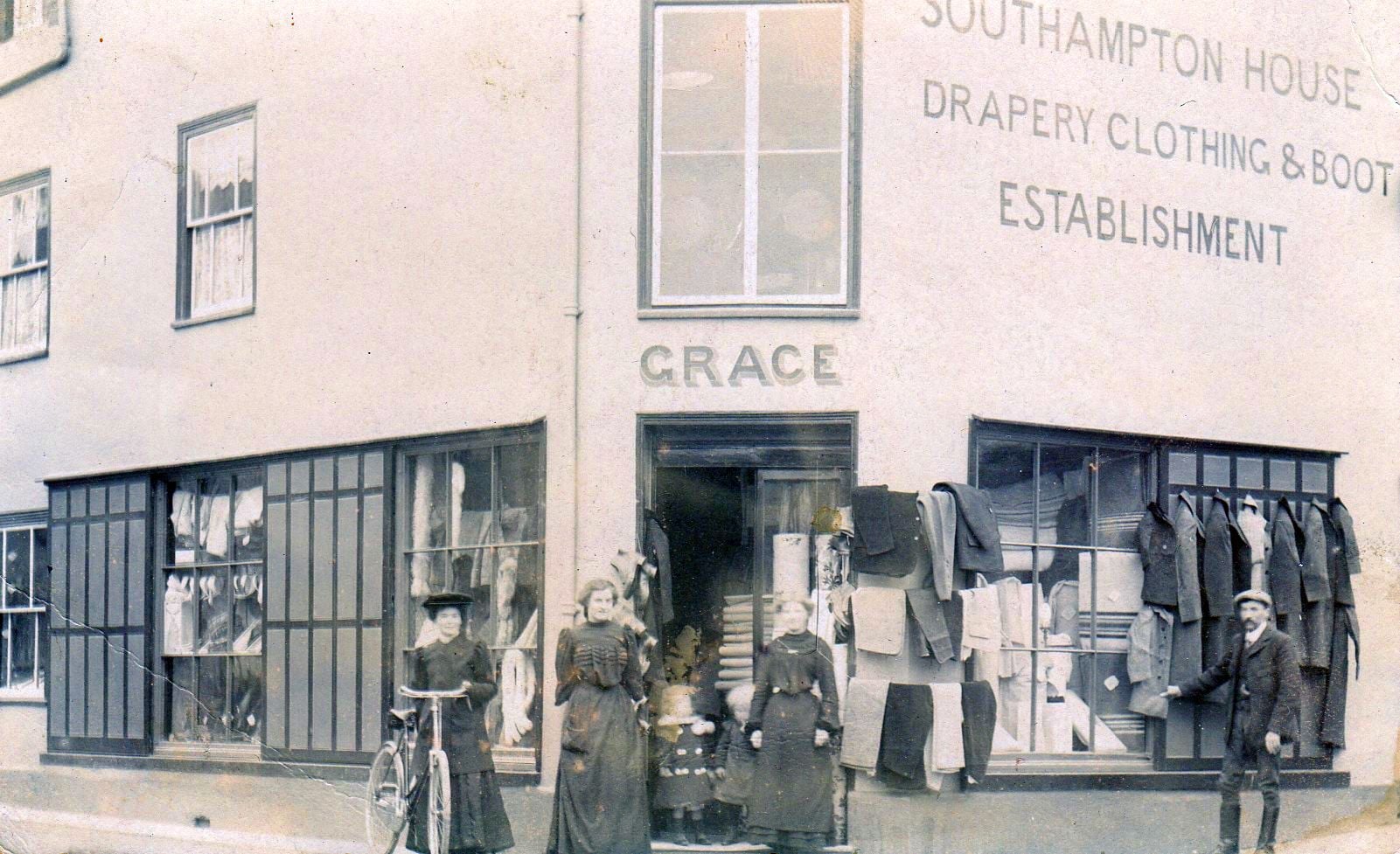
When last I wrote to you about the Stalbridge of fifty-something years ago I left you standing at the bottom of Barrow Hill, across the road from the post office, viewing the windows of Grace’s large department store. Moving on!
What a store, that was! Grace’s sold bridal wear mainly, beautiful lacey creations for a young woman’s big day, but the bride’s menfolk were catered for, too. “How handsome you look!”, was often heard locally and it was the opinion that Stalbridge men were better dressed for special events than any men in any other part of the West Country.
Grace’s, which was owned by two brothers whose surname was Grace, wasn’t limited to fitting out bridal parties. You could buy shoes from Grace’s, all manner of haberdashery and even the wool you needed for your knitting.
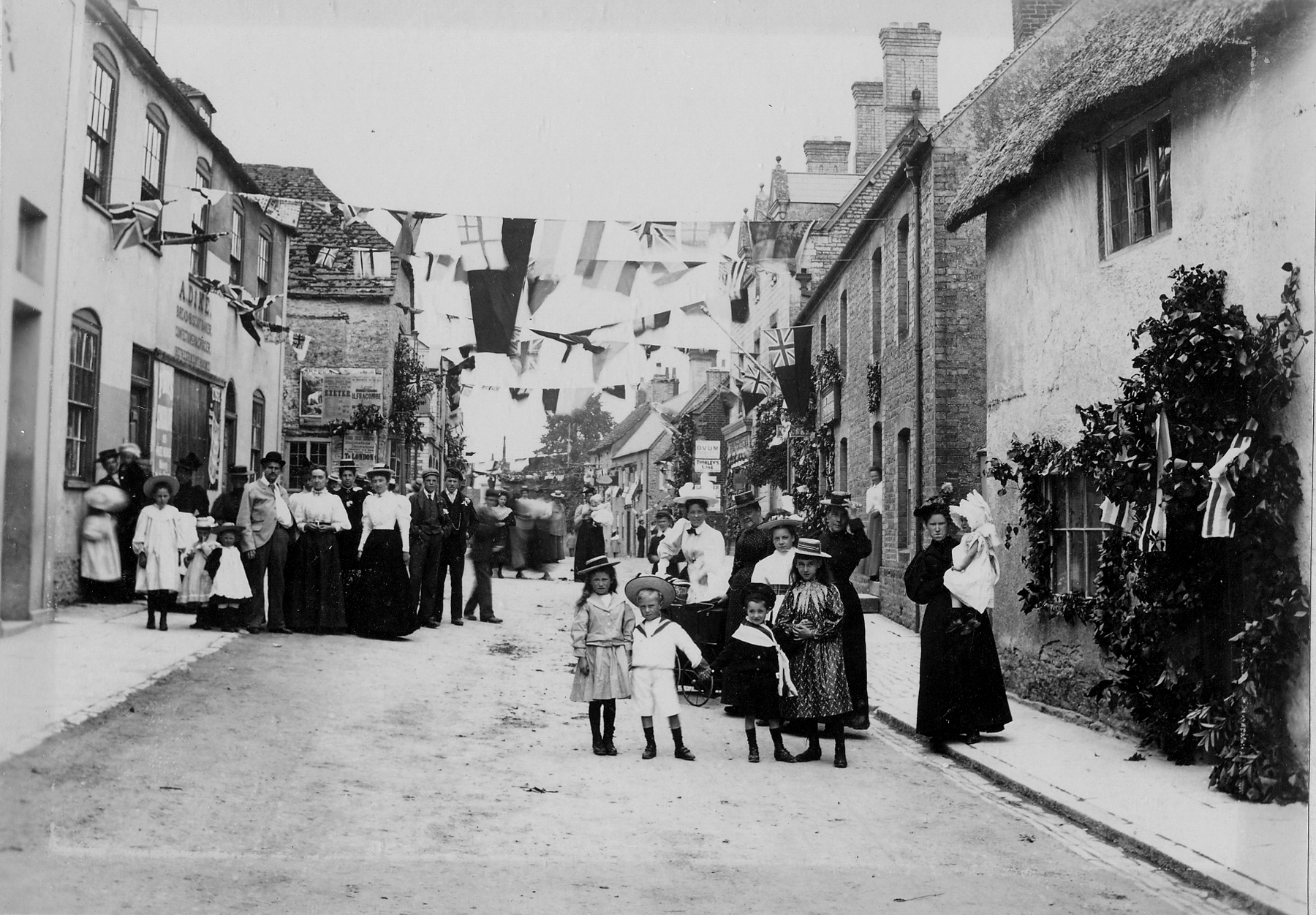
The building didn’t house only the shop. It formed an island which also provided living accommodation and you passed it by walking along a small but very narrow stretch of road which gave way to Dike’s, the family grocer.
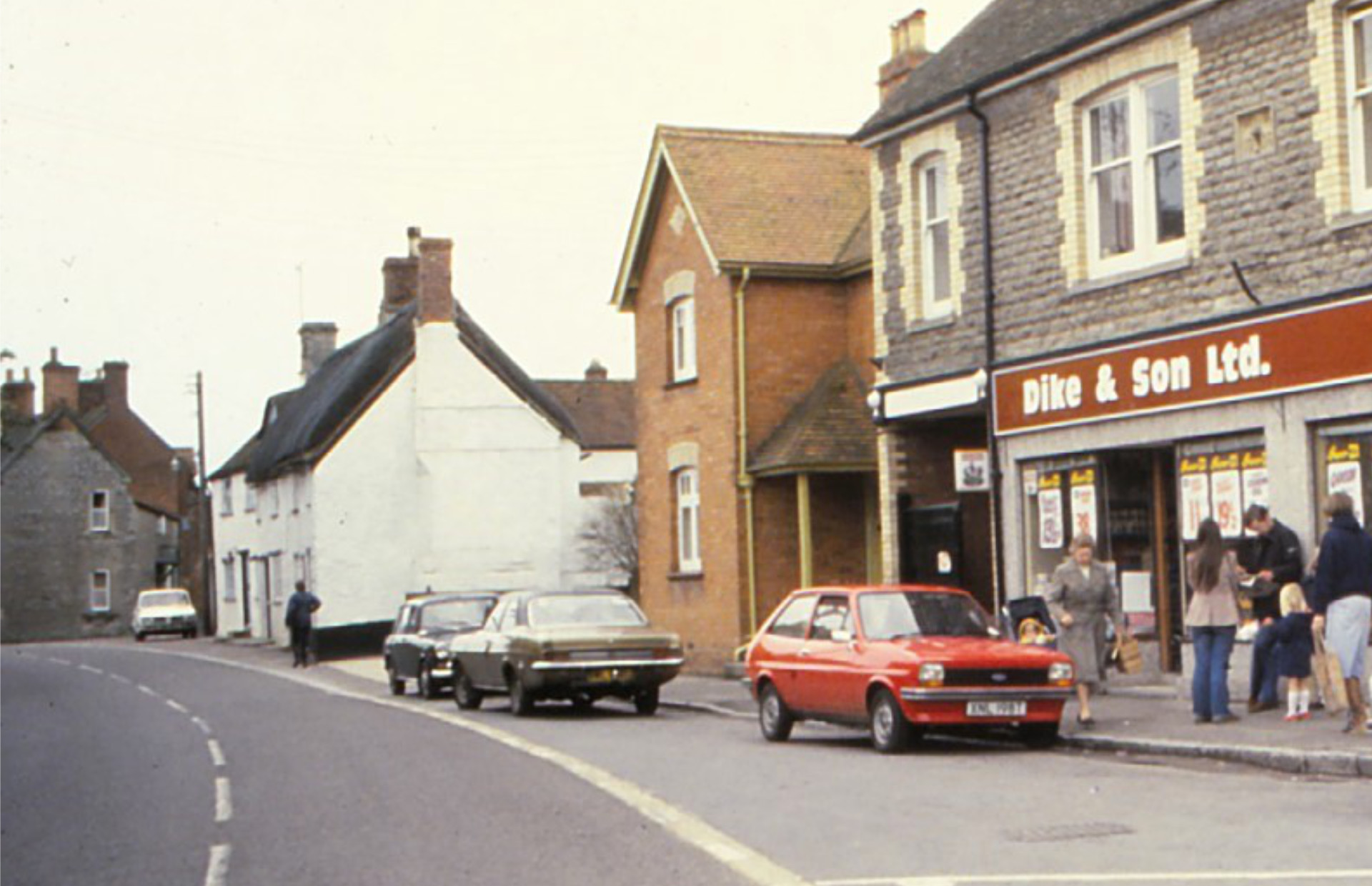
Dike’s was a single-fronted shop, run by Cyril Dike, with a car park behind it. Also in the car park was Dike’s bakery, run by Cyril’s brother, Percy Dike.
(Dear Readers – have you read Percy Dike’s little book, ‘Stalbridge Peeps’? If not, you can borrow it from Stalbridge Library.)
Dike’s wasn’t just the shop where you could buy everything your larder needed but you could meet all your friends there, too, and catch up on all the local news.
Dike’s had begun in 1851 by Harold Dike who delivered groceries but fifty years ago his grandson, William Dike, was the member of the family who led the team. He would look around the shop, watching his customers busily buying and chatting and had a dream in which those people could carry out their chatting in his café……..but his shop hadn’t the space for an area where he could dispense coffee-and-cakes……….Do the people sitting in William’s Cafe in Dike’s Supermarket today know they are living out William Dike’s dream? William would be so proud.
Attached to Dike’s was a red brick house, followed by four cottages with thatched roofs, then three stone-built houses and the Pound which was the police pound which has its own stories to tell! Are any of you, Dear Readers, able to tell them?
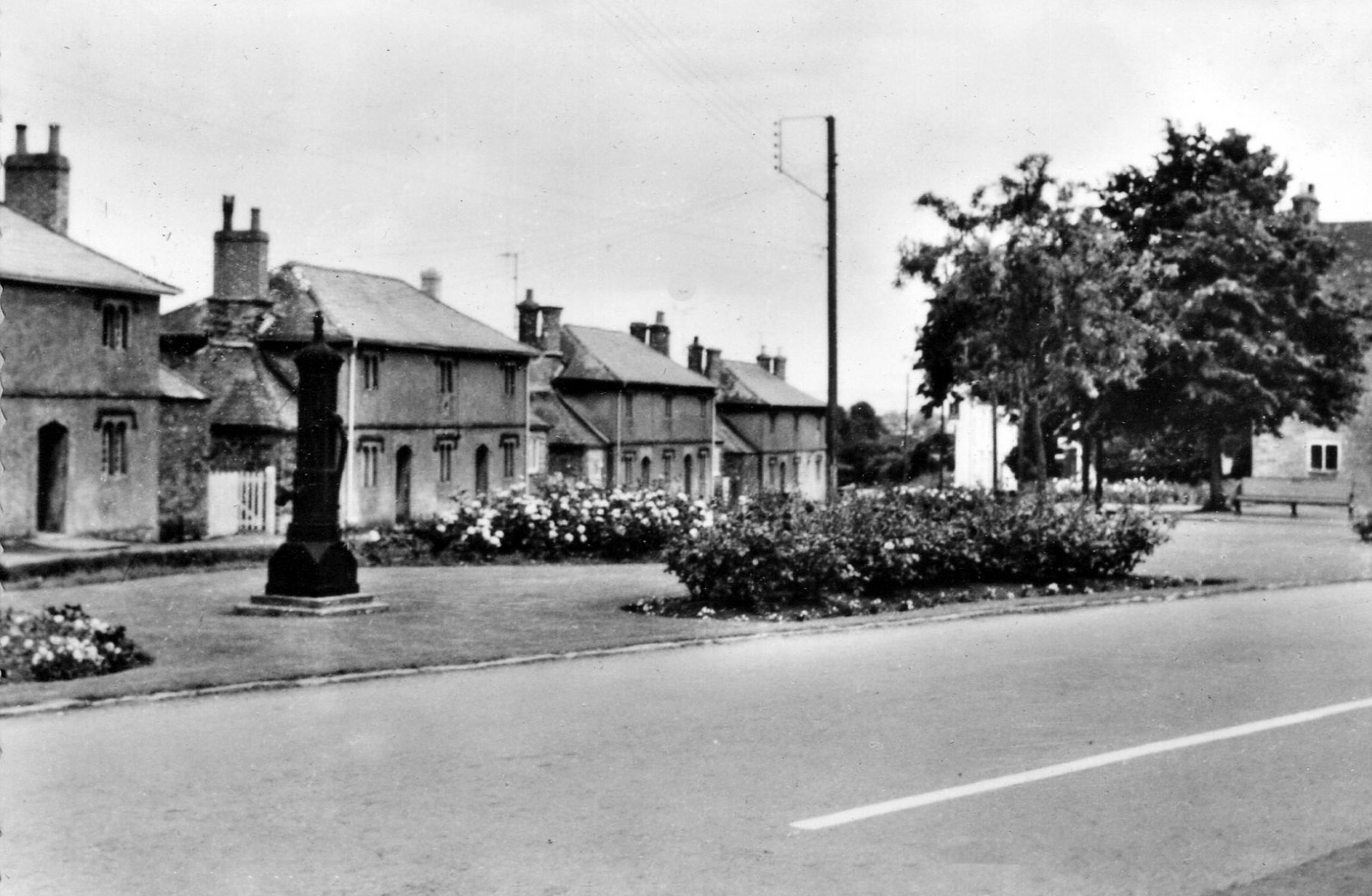
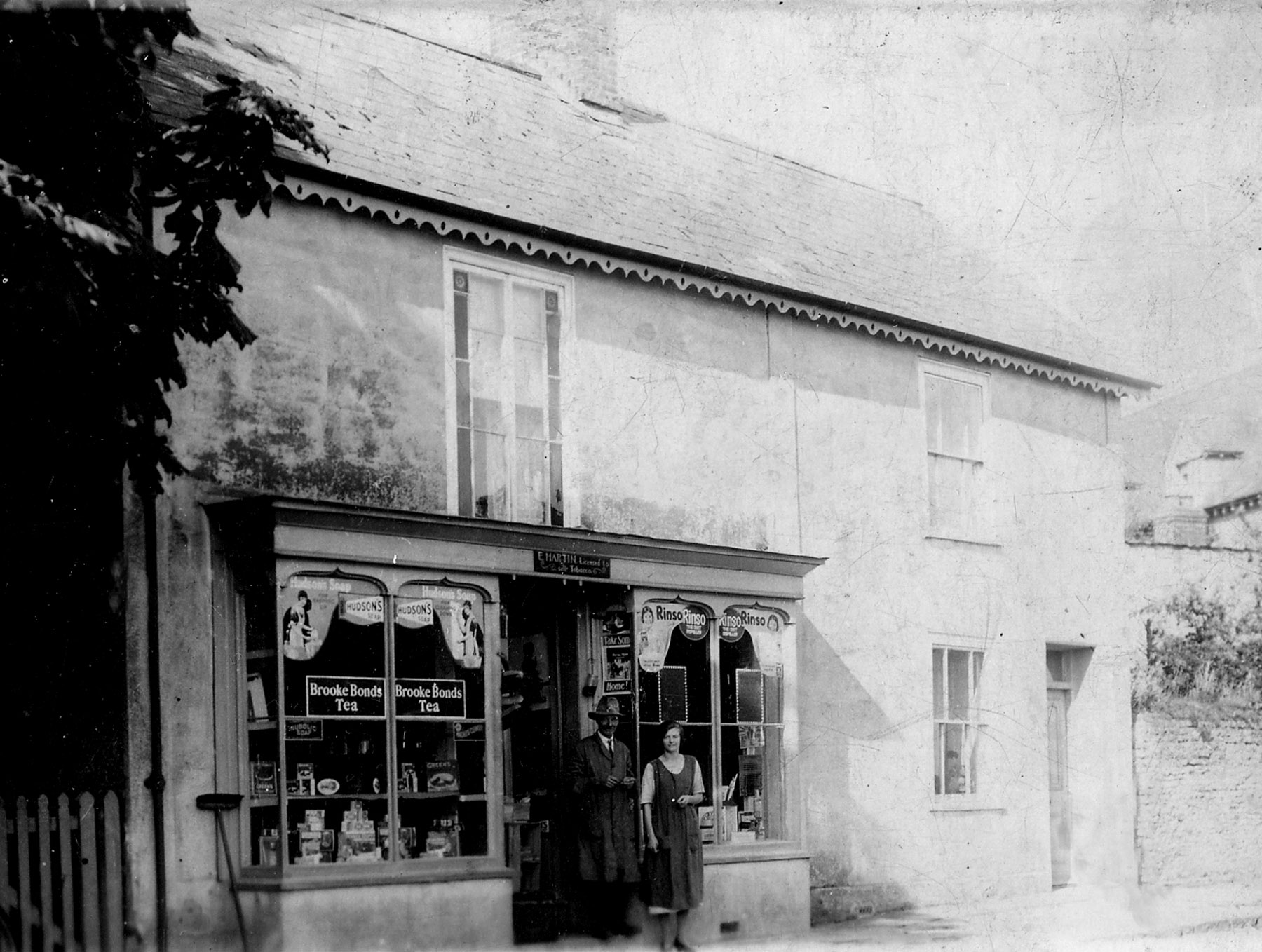
Here the road divides, just as it used to, and makes room for the Ring, a triangular grassed area for the use of the public. Taking the left fork, we pass a large building which is a small grocers shop and café and family home, followed by the Stalbridge Arms, a public house with accommodation.
The road continues to Coppern Way, both sides of which is private housing until it reaches West Acres which was newly-built in 1967. After that there is farmland and fields.
I will leave you there, surveying the countryside, but will write again to you later to bring you back to the village.